Coloring Book School: A Design Resource for Whimsical Branding
In the dynamic world of graphic design, few assets offer as much versatility and emotional resonance as a well-crafted coloring book concept. "Coloring Book School" represents more than just a children's activity; it is a strategic visual language that can elevate brand identity, enhance user engagement, and provide fresh creative inspiration for designers tackling projects in digital marketing or editorial layouts. When approached with professional intent, these whimsical themes allow creators to explore playful typography, vibrant color palettes, and unique visual hierarchies that resonate deeply with modern audiences.
The Strategic Value of Playful Visuals
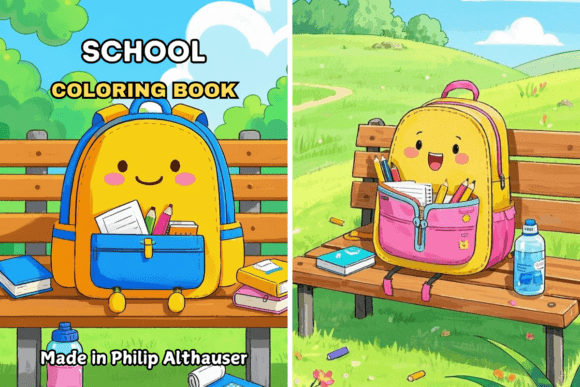
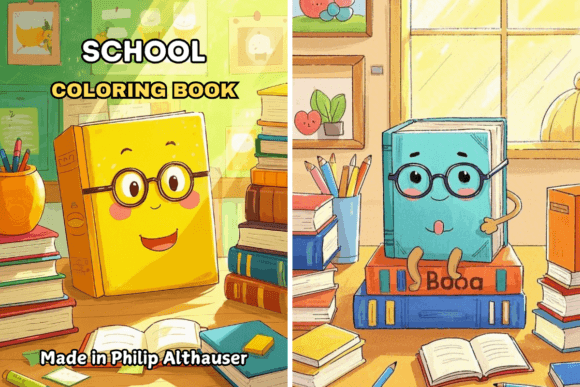
From a design perspective, the aesthetic of a school-themed coloring book—featuring elements like giggly backpacks, talking pencils, and dancing rulers—offers a distinct opportunity to humanize brands. In an era where consumers crave authenticity and connection, incorporating lighthearted, hand-drawn styles into professional presentations can soften corporate messaging without sacrificing clarity. This approach aligns perfectly with current design trends that favor organic shapes and expressive illustrations over rigid, sterile vector graphics.
The "Schoolyard Fun" concept specifically demonstrates how thematic consistency strengthens brand recall. By utilizing a cohesive set of characters and environments, designers can create a narrative flow that guides the viewer's eye through complex information. Whether applied to a children's educational app or a back-to-school marketing campaign, this style leverages nostalgia and joy to drive positive associations with a product or service.
Practical Applications in Modern Design
The utility of this visual style extends far beyond simple printables. Designers can adapt these creative assets across various mediums to improve user experience (UX) and overall communication quality. Consider how these elements might integrate into your next project:
- Branding and Logo Design: Incorporate whimsical icons, such as a teacher apple wearing glasses, to create memorable logos for educational startups or family-oriented businesses.
- Social Media Graphics: Use high-contrast, line-art illustrations from coloring books to create interactive posts that encourage audience participation and sharing.
- Web and UI Design: Apply playful textures and character motifs to landing pages to reduce bounce rates and increase time-on-site for younger demographics.
- Packaging Design: Transform standard packaging into an engaging experience by including coloring sections that turn the box itself into a toy.
- Editorial Layouts: Break up dense text in magazines or blogs with custom illustrations that reinforce key points and add visual rhythm.
Evaluating Design Elements for Professional Results
To successfully implement a "Coloring Book School" theme in a commercial context, designers must carefully evaluate specific visual components. The success of such a project relies on balancing creativity with functionality. For instance, when selecting a color palette, it is crucial to choose hues that are vibrant enough to capture attention but harmonious enough to maintain readability. Over-saturation can lead to visual fatigue, while a lack of contrast may obscure important details in the composition.
Typography also plays a pivotal role in establishing the tone. Pairing a chunky, rounded display font with the clean lines of a whimsical illustration can create a delightful contrast that emphasizes both fun and structure. However, legibility should never be compromised. Even in the most playful designs, the hierarchy of information must remain clear so that the core message is communicated effectively.
- Consistency: Ensure all illustrations share the same line weight and stylistic nuances to maintain a unified look across different touchpoints.
- Scalability: Test how the artwork looks at various sizes, from a small mobile icon to a large billboard, ensuring details do not get lost.
- Accessibility: Consider color blindness and ensure that critical information is conveyed through shape and contrast, not just color alone.
- Brand Alignment: Verify that the whimsical nature of the assets supports the broader brand values rather than conflicting with them.
Enhancing Creative Workflows
Integrating these types of assets into a design workflow can streamline the creation process for creative projects. Having a library of pre-designed, scalable vectors allows teams to quickly prototype ideas and iterate on concepts without starting from scratch. This efficiency is particularly valuable in fast-paced industries like digital marketing, where speed and quality must go hand in hand.
Furthermore, using these themes encourages cross-disciplinary collaboration. Illustrators, typographers, and UX designers can work together to ensure that the final output feels cohesive. The result is a polished, professional presentation that not only looks aesthetically pleasing but also serves a functional purpose in communicating a brand's story.
Ultimately, the decision to incorporate a playful, school-themed aesthetic into professional work requires thoughtful consideration. When executed with precision, these creative assets transform mundane communications into engaging experiences. By leveraging the magic of school life—from wacky science experiments to recess adventures—designers can craft visuals that inspire laughter, spark creativity, and leave a lasting impression on their audience. In the end, great design is about more than just aesthetics; it is about creating connections, and sometimes, the best way to do that is to bring a little bit of classroom fun into the real world.